Underground Parking in TIMELESS
Multi-level indoor map with tight corridors, vehicle obstacles, and low-visibility sections.Patrol discipline.
Overview
Underground Parking is a multi-level indoor map in the TIMELESS rotation. The layout features tight corridors, parked vehicle obstacles, multi-level sections, and low-visibility areas typical of an underground parking structure. The scale is medium-to-large with horizontal spread across multiple basement levels.
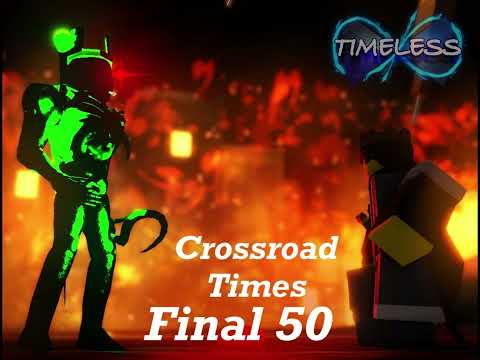
This page is the Underground Parking guide: layout, vehicle obstacles, multi-level pressure, and how to play the Final 50 window.
Pair it with Getting Started if this is your first TIMELESS map, How to Survive for looping discipline, and How to Play Entity for multi-floor patrol patterns.
Layout and vehicle obstacles
Underground Parking plays across multiple basement levels connected by ramps and stairwells. The parked vehicles create natural cover and obstacle navigation that differs from a standard corridor. Some vehicle rows create sightline breaks that both teams can exploit.
The low-visibility nature of an underground parking structure means that long-range sightlines are shorter than on outdoor maps. Emissaries who rely on seeing the Entity from a distance have less advantage here. The Entity who uses vehicle cover for approach is harder to read.
Generator positions are distributed across multiple basement levels. The vertical spread means rotations between levels take real time, and a split across levels is a real split.
Multi-level pressure
The multi-level layout of Underground Parking rewards vertical coordination. An Entity who can pressure two levels simultaneously forces the eight to split attention. An Emissary team that coordinates level coverage can hold generators more effectively.
For the Entity: use ramps and stairwells to move between levels quickly. A 007n7 World Warp between basement levels catches Emissaries who thought the level transition was a safe rotation. Ellernate Fire Wall on a level ramp stops Emissary rotations between floors.
For Emissaries: do not rotate between levels alone when the Entity is missing. A solo rotation across a basement ramp is exactly the isolation opportunity the Entity wants. Call your level and wait for confirmation that the ramp is clear.
Vehicle cover and sightline breaks
Parked vehicles on Underground Parking create sightline breaks that both teams use. An Emissary who knows which vehicle rows create safe revive positions has an advantage. A Builderman wall behind a vehicle row stops the Entity’s approach without blocking the Emissary’s escape route.
The Entity who uses vehicle cover for approach is harder to track in the low-visibility environment. A Mr. Doe who uses vehicle rows to close distance before a Leap catches Emissaries who thought the corridor was clear.
Do not revive in the middle of a vehicle corridor. The open lane is exactly where an Entity expects to find a reviving Emissary. Use the vehicle cover — start the revive behind a car, not in front of one.
Generator discipline on Underground Parking
Generators on Underground Parking need active fills with awareness of level activity. Pair on generators when possible — two Emissaries on a level can cover each other’s revives while the Entity is on another floor.
Do not greed a generator when the Entity has disappeared into the vehicle rows or onto another level. The Entity who disappeared is probably positioning for a multi-level intercept.
Guest speed coil through vehicle rows is effective on this map — the tight corridors and vehicle obstacles make the windup worthwhile. A Guest who coils through Underground Parking vehicle rows faster than the Entity can track is doing the right rotation work.
Hazards on Underground Parking
Underground Parking has hazard configurations specific to its structure. Low-hanging pipes, equipment rooms, and electrical panels may have hazard configurations that differ from outdoor maps. The exact hazard set depends on the round configuration.
Some hazards on Underground Parking are active throughout the round. Some only appear in Last 50 Seconds. Do not treat a basement corridor as safe for the whole round just because it was safe in the first eight minutes.
Entity perspective on Underground Parking
For the Entity, Underground Parking is a multi-level patrol map. Use vehicle cover for approach and ramps for vertical pressure. The low-visibility environment favors the hunter who uses the space actively.
Kolossos Charge through vehicle corridors catches grouped Emissaries. The tight rows create natural impale lines when two or more Emissaries are near a generator.
007n7 World Warp between basement levels is effective for intercepts. Use Warp to cut level rotations rather than to chase across corridors.
Last 50 Seconds on Underground Parking
Last 50 Seconds adds hazards to Underground Parking level sections and ramp connections that were safe earlier. The vehicle corridors that were navigable in the early round may have new hazard configurations.
Play for ramp exits and vehicle-row cover, not for the last generator. An Emissary who knows which ramp the Entity is not covering has a real escape path across levels.
For the Entity: pre-position on ramp exits during Last 50 Seconds. The vertical spread that favored your multi-level pressure all round now favors your exit cut.
Emissary survival checklist for Underground Parking
- Do not rotate between levels alone when the Entity is missing. Call your level and confirm the ramp is clear.
- Do not revive in the middle of a vehicle corridor. Start behind a car, not in front of one.
- Use vehicle cover for looping. The obstacle rows create natural chase breaks.
- Do not greed a generator when the Entity has disappeared into vehicle rows or onto another level.
- Pair on generators when possible to cover level coverage and revives.
- Pre-position for ramp exits in Last 50 Seconds. The multi-level layout means vertical escape routes.
Open How to Survive for general looping. Open maps for the other maps in the TIMELESS rotation.